
American Nuclear Plantyards

As long as nuclear is controlled by an omnipotent regulatory system based on the false premise that a large release is intolerable, there can be no real progress. If a large release is intolerable, then there should be no nuclear.
Nuclear promoters and their dupes are spouting all kinds of nonsense about factory built reactors. Factories won’t cut it. If you are talking factories, you are talking tiny or you are talking components. Consider NuScale, the current leader in sucking up our money. What actually gets built in a factory is a 23 meter tall chimney, Figure 1. Because of the chimney’s low power density and abysmal efficiency, we need 12 chimneys to produce 977 MWe of steam.
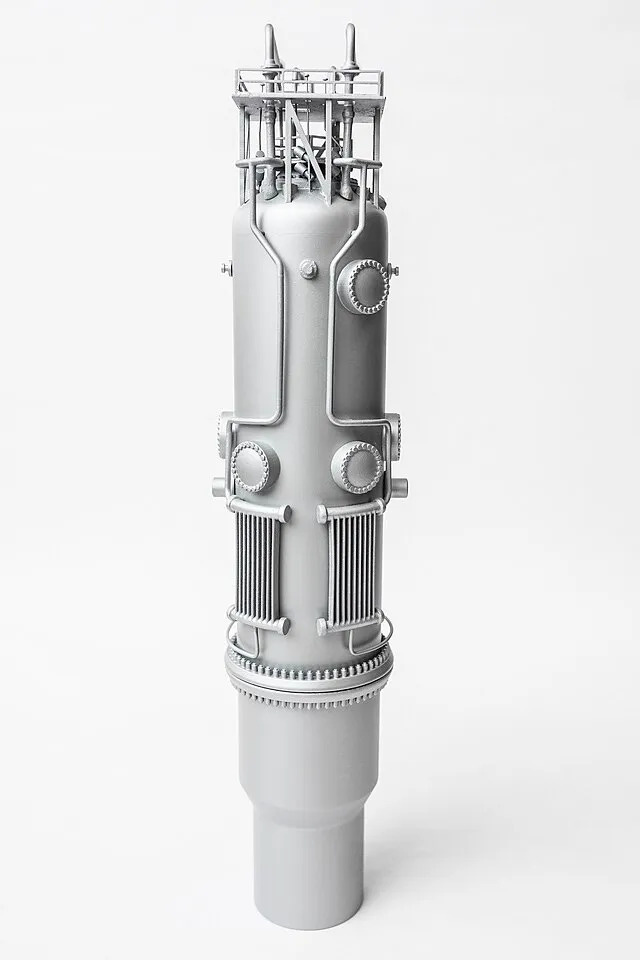
Figure 1. The NuScale chimney. Don’t be fooled. This thing is 23 m (75 ft) tall.
These 12 chimneys sit in an immense, site built swimming pool, Figure 2. The overall structure is larger than the horribly overbuilt EPR fission island which produces 64% more power. And we have not even begun to talk about the turbine hall. If NuScale is factory built, then so is the AP1000 whose components are built in a factory. Both designs cost over $15,000/kW, about ten times what the 1960’s built plants’ cost in real terms. Technological advances in the last 60 years should have cut the real costs by at least a factor or two.
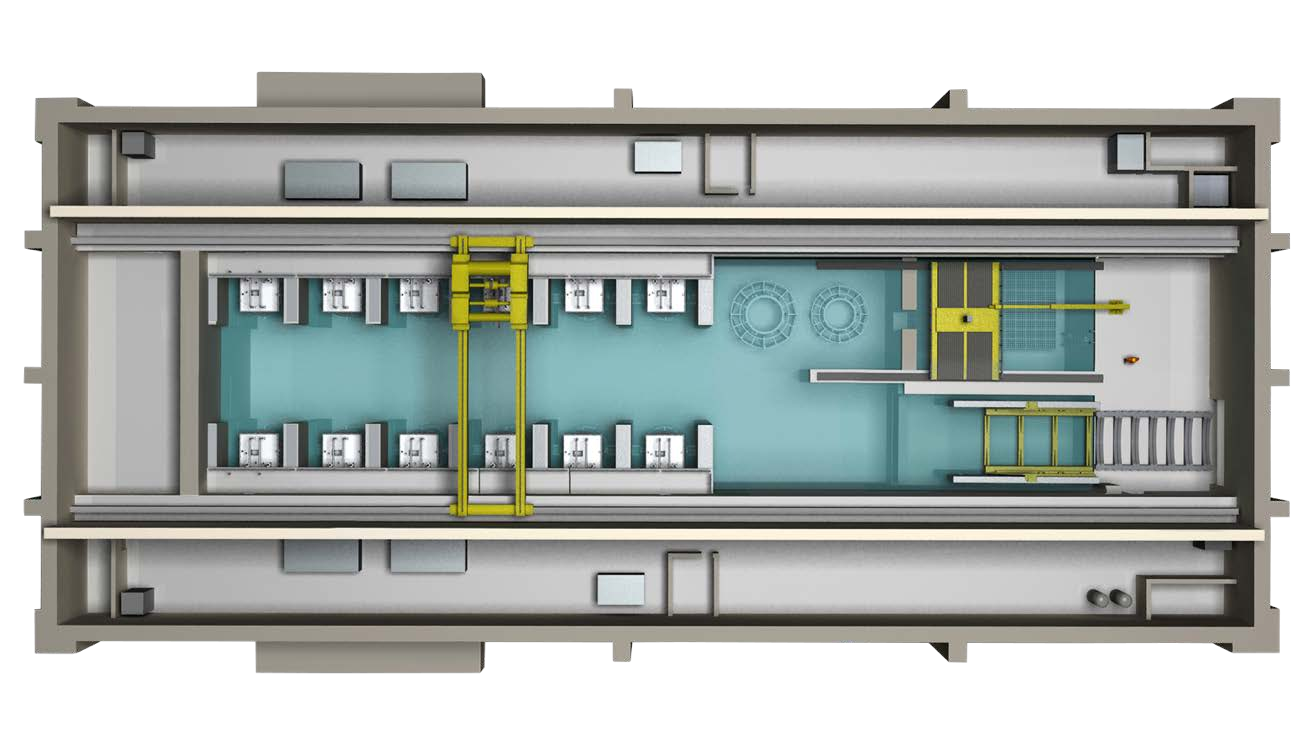
Figure 2. The NuScale swimming pool. The little white squares are the chimneys. The pool is about 125 meters (410 feet) long, 55 meters (180 ft) wide, and 60 meters (197 feet) deep. It is not factory built.
If we are going to build nuclear power plant off site in a controlled, assembly line fashion, we need a shipyard, or more precisely a nuclear plantyard. A plantyard would produce 5000 ton superblocks. These superblocks, perhaps 15 per 1 GWe plant, would be loaded onto barges and transported to the site, or better combined together at the yard into two or three islands. The islands would be floated onto heavy lift vessels or towed to a shoreline or near shore site, and ballasted onto the bottom or moored.
So what would it take to build plantyards in the USA. Here are some thoughts.
Enact the Nuclear Reorganization Act
An absolutely necessary condition of success is replacing the NRC with a balanced regulatory system based on a realistic view of radiation harm. As long as nuclear is controlled by an omnipotent regulatory system based on the false premise that a large release is intolerable, there can be no real progress. If a large release is intolerable, then there should be no nuclear. We must also avoid the American tort system. I will not rehash all the arguments here. Check out the Twice Blest book. If we don’t pass the NRA, there’s no point in even thinking about American plantyards. But passing the NRA will not be sufficient.
Don’t obsess about wage rate, but we must have labor discipline.
Wages are close to a non-factor. We have this image of a shipyard as a human beehive, hundreds of men swarming over a hull. In fact, a modern yard can be a lonely place. I’ve been in a panel line hall that stretches for maybe 400 meters. I was nearly alone. Direct labor is about 15% of the cost of the ship. Labor productivity is much more important than wage rates.
Samsung can build ships in Korea at less than one-fifth US yard cost. When Samsung was thinking about resurrecting the defunct Avondale yard near New Orleans, they were surprised to find that wages on the Gulf Coast were less than what they were paying at home. But the US regulatory maze and uncertain labor discipline sent them home in a hurry.
Korean yard labor has very strong unions. The average fully built up wage is in the neighborhood of $40/hr. Strikes are rare but, when they do occur, they are, to put it politely, militant. You do not want to be a scab trying to cross a Korean yard picket line. The unions sign 5 year contracts. Once they sign a contract, they live up to it. The unions closely monitor yard economics. Every 5 years they make sure they get their cut.
One result is, if somebody is not pulling his weight, his union buddies let him know that’s unacceptable. And if that doesn’t work, a union steward is brought in to explain to him that by hurting yard productivity, you are costing everybody money. Deadbeats either get the message or are removed from the yard work force, one way or another. The result is remarkable productivity, and surprisingly little resistance to automation as long as it is gradual. We must foster a similar system.
Control EPA, OSHA, and the ambulance chasers
Here’s Nathan Drake, who was Manager of Environmental Compliance at the NASSCO yard in San Diego.
Nowadays environmental compliance is as integral to shipbuilding as welding, and I say that with a straight face. The regulatory landscape is so restrictive that in some other yards, every gallon of paint, every pound of welding wire/rod, each hour that a diesel compressor runs, must be accounted for daily. I don’t say this lightly when I say that some facilities are facing existential risks for up to a quarter of a pound of hexavalent chromium emissions over an entire year.
The NRA would have to be expanded or supplemented by a companion act to bring the plantyards under the same regulatory system as the plants themselves. NEPA must be waived, and any disputes between the EPA and the yard adjudicated by the Nuclear Arbitration Board. Fines must be based on actual emissions, not paperwork.
Ditto for OSHA. As for the ambulance chasers, it’s Worker’s Comp and that’s it.
Nuclear plantyards, not shipyards.
While the plantyards would use much the same technology as a shipyard, they would be focused on a totally different market. Shipbuilding like all mature, truly competitive businesses is highly cyclic. In the US, at the first slump, the yards turn to their sugar daddy, the US Navy, adopt Navy (aka NRC style) controls and systems and are ruined forever.1 If we can start building nuclear plants at near should-cost, it will be 50 years before the first big nukebuilding slump. Think the great railroad boom of the second half of the 19th century.
Multiple yard competition
Having said that, we must have competition between the yards. We need that competition to push nuclear down to its 1960’s should-cost, and then start pushing the should-cost down. That means multiple yards. When the Koreans decided to compete with the Japanese in shipbuilding they did not set up a flagship yard. They made sure they had at least three big yards and made sure those yards had to compete with each other on an even basis. That competition quickly forced all the Koreans yards to improve both cost and more importantly quality. It wasn’t long before the Koreans surpassed the Japanese in both and then kept improving.
Korea in the 1970s was cash starved. This is not the case in the US. We don’t need public funding. We just need an even playing field, the right rules, and assurance the rules won’t change. The money will flow in.
Abandon concrete.
Structural concrete and shipyard production do not go together. Yard built plants would need to be all steel. Concrete would be relegated to a few non-structural tasks such as turbine foundation mass.
This will require us to drop the fantasy that we can protect a nuclear plant from modern weapons with concrete. The only defense against a precision, bunkerbuster is a realistic understanding of radiation harm and adequate buffer zones.
Do not attempt to use the current yards
The management and much of the labor force of the current big American yards is beyond redemption. They are infected by a variant of the same disease as the US nuclear establishment. A shipyard is cheap relative to the value of its output. In 2014, Samsung was considering building a greenfield yard in Indonesia. The project’s projected cost was 950 million dollars. The yard could turn out 500,000 light tons per year worth at least two billion dollars. Yard CAPEX is less than 15% of the cost of a ship. A plantyard will be simpler and turn out a higher value product.
By going green field, we get not only the latest robotic technology; but we can tailor the yard to what a nuclear power plant needs. For one example, nuclear plants, except for pressure vessel heads which can be formed in a hot press, need not require any double curved steel. But unlike most ships, the plants may require very large cylinders. Just as importantly, we can train a new work force. No unlearning of bad habits will be required; and no mass firings of people who think stick welding is an advertisement for yard productivity, Figure 3.
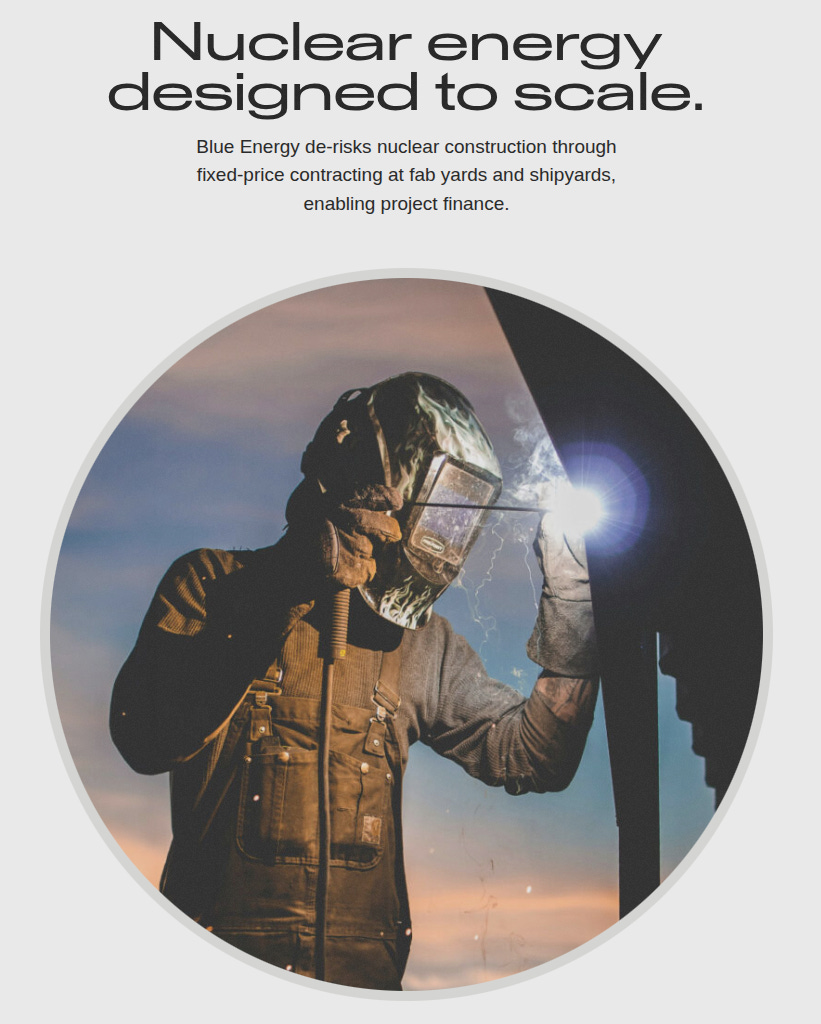
Figure 3. In my 4 years in Korean yards, I can’t recall ever seeing any stick welding.
Bring in the Koreans
We must have the Korean yard production system. Think Toyota in North Carolina. In the yard system, detailed design not only does the working drawings, but just as important the production scheduling down to per shift detail. This includes scheduling each sub-block and block lift by crane. The weight and center of gravity of each lift is calculated and the lifting lugs are part of the design. Scaffolding which will be required in final erection is installed at the block level. Detailed design and production scheduling cannot be separated.
I’m envisioning three yards designed and managed by Hyundai, Samsung, and Hanwha respectively. Let the Koreans bring in as many people as they want, and let them stay as long as they want. Get Westinghouse completely out of the picture. The Westinghouse/KEPCO “deal” must be abrogated.
No tariffs. No forced localization. No subsidies.
The yards must be free trade zones. They must be able to bid anyone on the planet on an even playing field. About 60% of the cost of a ship is purchased material. Korean yard buyers scour the world with Walmart like zeal. Finally no subsidies. Given nuclear’s inherent cheapness and the need, if the plantyards require subsidies, we haven’t set the rules right.
The Shortcut
That’s a long and very daunting list. There is a short-cut. Build the plants in Korean yards and import them. But we would still need to pass the Nuclear Reorganization Act.
The Koreans yards survive these cycles because they are part of multi-industry chaebols which can use the profits from the booms to carry the yards through the slumps.
I am confused by your statement:
As long as nuclear is controlled by an omnipotent regulatory system based on the false premise that a large release is intolerable, there can be no real progress. If a large release is intolerable, then there should be no nuclear.
With the exception of Chernobyl, there has never been a "large release" and reactors designed similar to Chernobyl are long gone. As you are well aware, at TMI the dome functioned as designed and radioactive release was negligible. Same with Fukushima. I am sure you agree that reactors can be built for far less expense without sacrificing safety. The regulations are the problem. Not the engineering as you have pointed out.
Thank you Jack for informing your excellent essay based on your experience in South Korea.